
Tarot Reading Tutorial
By reading this Tarot reading tutorial, which is being published for the first time on Pichak and certainly has no equal to date, you will gain complete information about Major Arcana, Minor Arcana, and the classification of Tarot cards.
Also, after reading this Tarot reading tutorial, you will be able to perform Tarot readings yourself and teach others as well.
Introductory Notes
Tarot is actually a word derived from "Tarocchi," which has Italian roots, and in English and French it is called "Tarot." There is also a river called Taro in northern Italy, and it is possible that Tarocchi, or Tarot, originated from that part of Italy.
The emergence of Tarot cards dates back several centuries, originally as a form of entertainment game.
For those unfamiliar with astrology, it may seem that interpreting Tarot cards can predict the future.
However, each card contains guidance that will interpret the probable outcome for you.
Tarot Cards
The Tarot deck consists of 78 cards. The first 22 cards are called the Major Arcana, which have symbolic meanings and focus on the material world, intuitive mind, and the realm of change. The remaining 56 cards are called the Minor Arcana, which are divided into four suits: Swords, Pentacles, Wands, and Cups.
First, you will get to know the Major Arcana cards, then the Minor Arcana, and finally, you will become familiar with the different methods of Tarot reading.
Major Arcana Tarot
The meaning of the Major Arcana Tarot cards, which is a set of 22 cards with symbolic interpretations, is explained below.
By reading the interpretations of the Major Arcana cards on Pichak, you will fully understand the meaning of each card and learn them.
Tap on each card to reveal and read its interpretation.
| Cards | Cards |
|---|---|
The Fool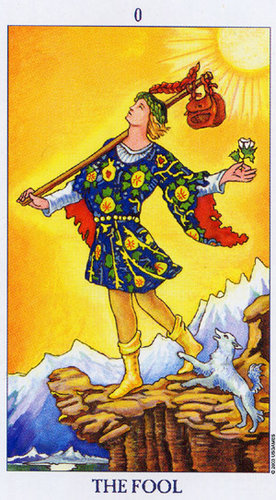 The Fool Starting something – New opportunities and circumstances in life – Possibilities – Enthusiasm – Joy and happiness – Recklessness and boldness |
The Magician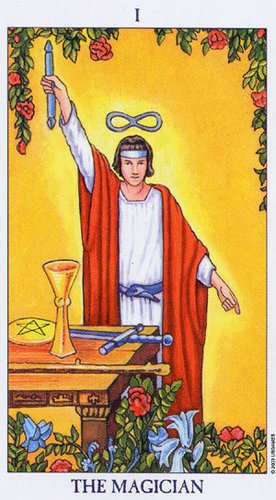 The Magician Creativity and innovation – Perseverance – Self-confidence – Skill – Agility and cleverness |
The High Priestess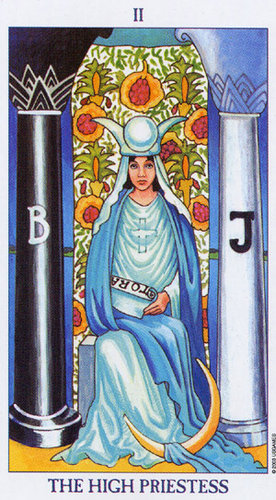 The High Priestess Knowledge – Purity – High quality – Mentor and teacher – Instructor |
The Empress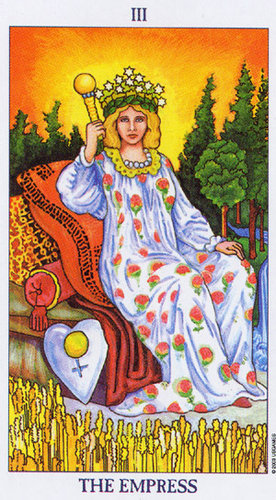 The Empress Growth – Excitement – Success – Achieving goals – Results |
The Emperor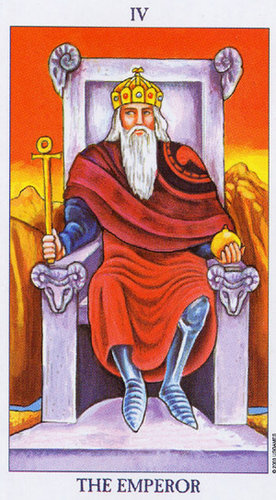 The Emperor Wealth – Management – Control – Competence – Brotherhood |
The Hierophant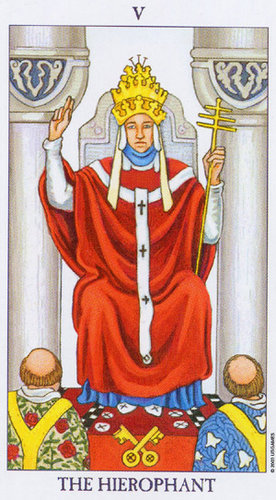 The Hierophant Social support – Conformity to society – Generosity – Motivation |
The Lovers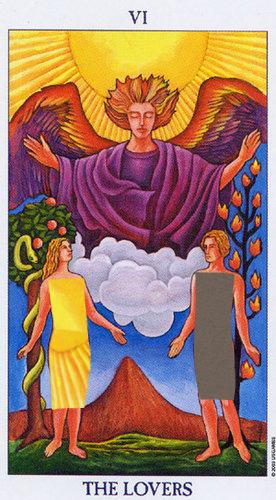 The Lovers Harmony in love – Good reputation – Meaningful relationship |
The Chariot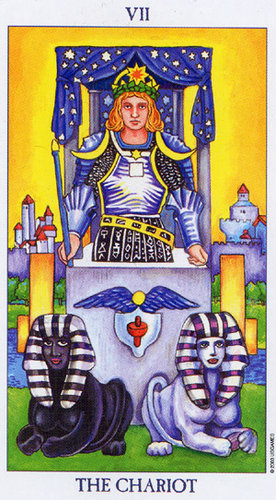 The Chariot Hard work – Perseverance – Travel – Impulsive decision – Disruption |
Strength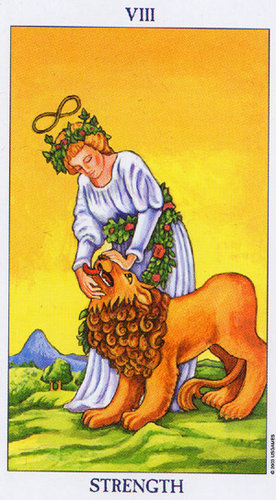 Strength Power – Courage – Acceptance of social norms – Willpower – Great bravery – Strength |
The Hermit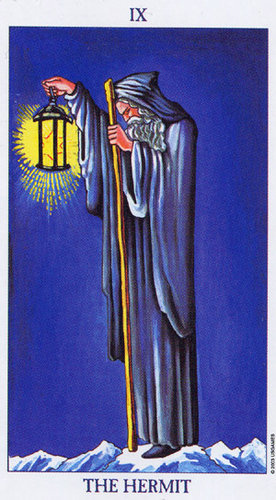 The Hermit Inner strength – Common sense – Awareness – Endurance – End of a relationship – Solitude – Single |
The Wheel of Fortune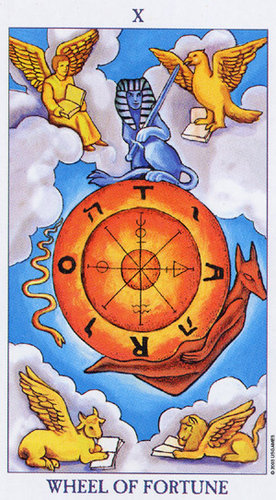 The Wheel of Fortune Luck – Expansion of knowledge – Unpredictable events – Advancement and gaining a high position |
Justice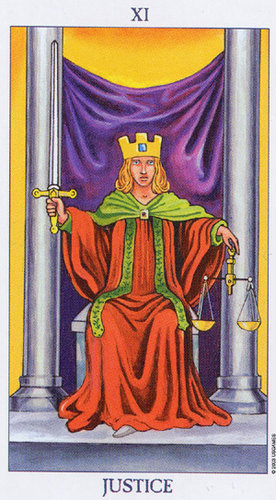 Justice Justice – Balance – Equality – Impartiality – Judge – Trial |
The Hanged Man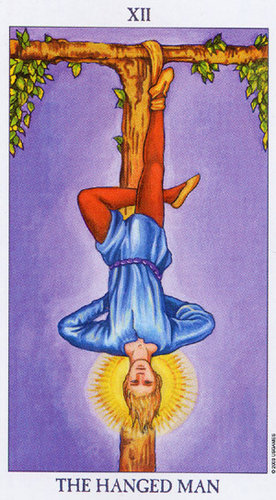 The Hanged Man Change – Deprivation – Adaptability – Development and generalization – Misfortune – Bad luck |
Death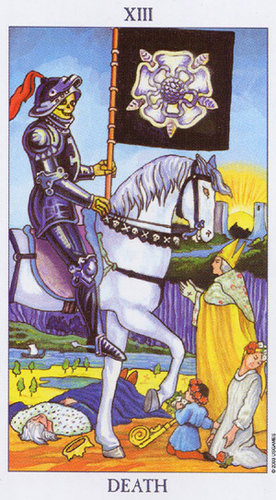 Death Transformation – Reversal – New life – Rebirth – Failure – Death itself |
Temperance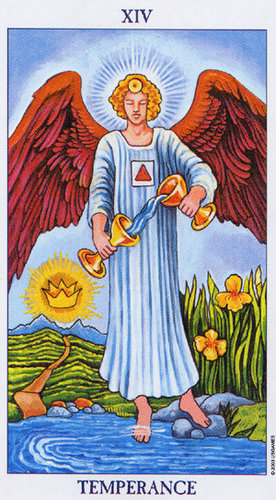 Temperance Harmony – Precision – Control – Patience |
The Devil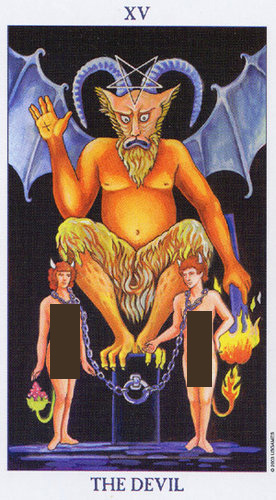 The Devil Corruption – Unexpected failure – Conflict – Strange – Disaster |
The Tower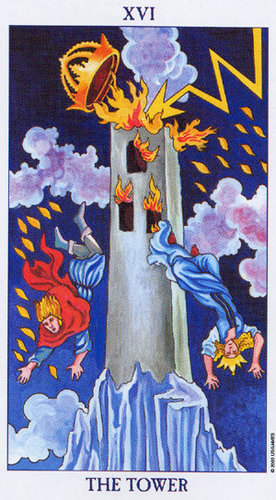 The Tower Sudden change – Bankruptcy – Decline in friendship – Homelessness – Poverty – Lack of awareness |
The Star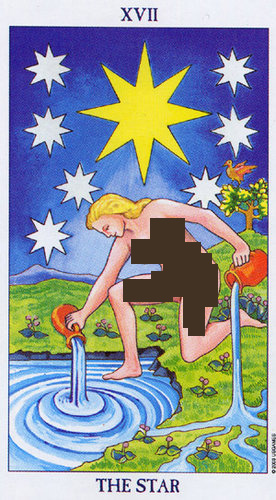 The Star Destiny – New vision – New initiative – Spirituality – Pleasure and joy – Hope |
The Moon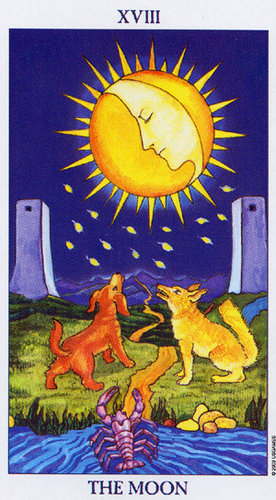 The Moon Deception – Trickery – Breaking a spell – Mistake – Failure – Disgrace |
The Sun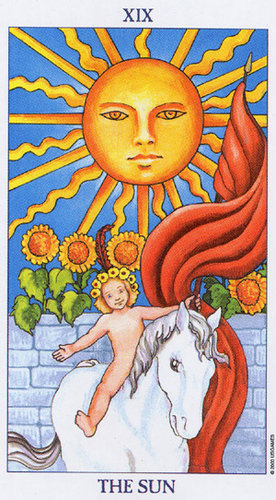 The Sun Success – Love – Happiness – Proper marriage |
Judgment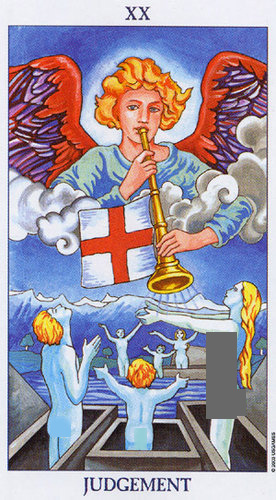 Judgment Health – Sense of freshness – Awareness – Reward |
The World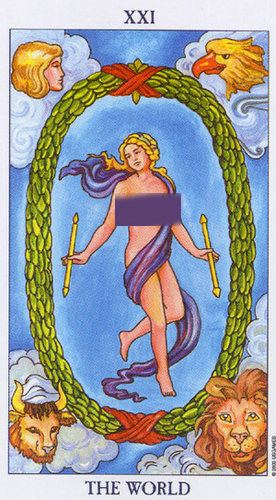 The World Growth – Completion – Innocence – Eternal life – Stability and endurance |
Now you have a general familiarity with the Major Arcana Tarot cards. Of course, each of these cards has its own story and specific interpretations, which you can explore further by tapping on each card.
Minor Arcana Tarot
The Minor Arcana Tarot consists of 56 cards, with each set of 14 cards representing a specific theme or category.
Cup Cards
Cup cards: Cup cards have interpretations such as emotions, relationships, and feelings. The element of the Cup cards is water. Inner emotions and relationships are mostly found in the Cup cards.
Tap to view the interpretations of the Cup cards.
Sword Cards
Sword cards: Sword cards generally indicate conflict and disputes. The element of the Sword cards is air or wind. The Sword card can symbolize power and ambition or represent change and action.
Tap to view the interpretations of the Sword cards.
Coin Cards
Coin cards: Coin cards, or pentacles in Tarot, have interpretations such as proposals, wealth, and stability. The element of the Coin cards is earth. The Coin card can also relate to topics like career advancement, educational growth, investment, home, and money, and its direction is connected to the north.
Tap to view the interpretations of the Coin cards.
Wand Cards
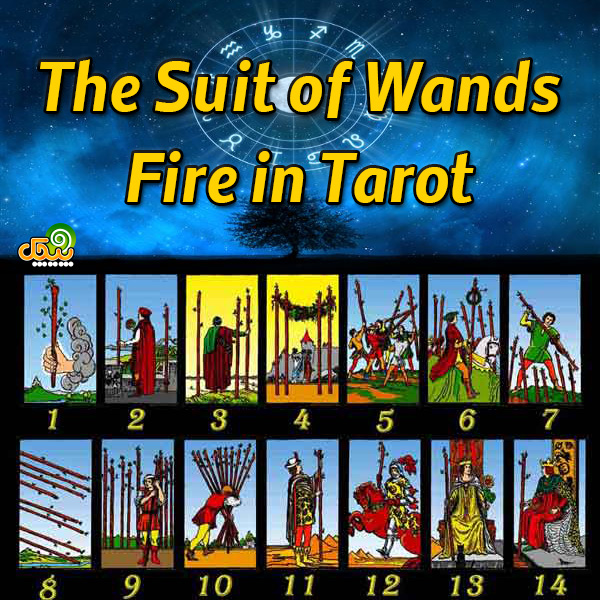
Wand cards: Wand cards, also known as staffs in Tarot, have interpretations such as intuition, creativity, and communication with others. The element of the Wand cards is fire. Their direction is connected to the south, and in addition to the mentioned topics, they also refer to physical activity.
When a set of Wand cards appears in your Tarot reading, it may mean that there are many creative opportunities available to you, but you need to seek them out.
Tap to view the interpretations of the Wand cards.
How to Read Tarot Cards
By now, you are familiar with the Major and Minor Arcana of Tarot and their cards and interpretations.
Now, based on the knowledge you have gained, you can easily learn how to read Tarot cards and start doing Tarot readings yourself.
To read Tarot cards, start by shuffling the cards together. You can continue this process until you feel they are completely mixed.
If you are doing a Tarot reading for someone else, ask them to use their non-dominant hand to split the deck into two piles and place the bottom pile on top of the upper one. If you are reading for yourself, this step is not necessary.
Single-Card Tarot Spread
In a one-card or single-question Tarot reading, no special layout is needed. Simply choose one card from the Tarot deck — that card will be the result of your reading.
Three-Card Tarot Spread
The three-card and ten-card Tarot spreads are among the most commonly used readings in Tarot.
The three-card Tarot spread can be considered the simplest Tarot reading, allowing you to perform a basic reading in just three steps.
Select the cards in order and place them next to each other. The first card represents the past, the second represents the present, and the third represents the future.
The last card also indicates the result of the reading, and depending on the question asked, it can represent a long-term goal or an immediate decision.
Cup Cards
The Cup cards represent emotions, relationships, and feelings. Their element is water, symbolizing inner emotions and personal connections. Most matters of the heart are reflected in this suit.
Click here to explore the meanings of the Cup cards.
Sword Cards
The Sword cards often signify conflict, challenges, or disagreements. Their element is air, representing power, ambition, change, and decisive action.
Click here to explore the meanings of the Sword cards.
Coin Cards
The Coin cards, also known as Pentacles, represent themes like proposals, wealth, and stability. Their element is earth, connecting them to career growth, education, investments, home, and finances. This suit is also associated with the north.
Click here to explore the meanings of the Coin cards.
Wand Cards
The Wand cards, sometimes called Staffs, are linked to intuition, creativity, and communication. Their element is fire, associated with the south, and they also point to physical activity and movement.
When Wands appear in your reading, it may suggest that many creative opportunities are around you—you just need to seek them out.
Click here to explore the meanings of the Wand cards.
Learning to Read Tarot
By now, you’ve learned about both the Major and Minor Arcana, along with the meanings of their cards.
With this knowledge, you can start practicing Tarot readings yourself and even read for others.
To begin, shuffle the cards thoroughly until you feel they’re well mixed.
If you’re reading for someone else, have them split the deck into two piles with their non-dominant hand, then place the bottom pile on top of the other. If you’re reading for yourself, you can skip this step.
Single-Card Tarot Spread
In a one-card or single-question reading, there’s no special layout. Simply choose one card from the deck — that card holds your answer.
Three-Card Tarot Spread
The three-card and ten-card spreads are among the most popular Tarot layouts.
The three-card spread is simple yet powerful, giving you clear insight in just three steps.
Draw the cards one by one and place them in order: the first represents the past, the second the present, and the third the future.
The final card also acts as the outcome of the reading, which could represent a long-term goal or an immediate decision, depending on your question.
Tarot
- Tarot Reading Tutorial
- What Do Wand Cards Mean in Tarot Reading?
- What Do Coin Cards Mean in Tarot Reading?
- What Do Sword Cards Mean in Tarot Reading?
- What Do Cup Cards Mean in Tarot Reading?